The Society for Peace Studies and Practice (SPSP) is pleased to present a new scholarly publication titled “The January 6, 1999 Invasion of Freetown: Strategy, Atrocity, and Its Consequences for Sierra Leone,” authored by Professor Joe A. D. Alie, COR, fspsp.
This publication provides a deeply researched and reflective account of one of the most traumatic episodes in Sierra Leone’s civil war—the January 6, 1999 invasion of Freetown. Beyond a military narrative, the work examines the invasion as a deliberate campaign of terror against civilians, highlighting the strategies employed by rebel forces, the scale of atrocities committed, and the profound human, social, and institutional consequences for the nation.
Prof. Alie critically explores the background to the invasion, the use of civilians—particularly women—as human shields, the destruction of infrastructure, and the immense civilian suffering that followed. The publication also situates January 6 as a pivotal turning point that accelerated peace efforts, shaped transitional justice mechanisms such as the Truth and Reconciliation Commission and the Special Court for Sierra Leone, and influenced long-term peacebuilding and governance reforms.
Importantly, the work connects historical memory to contemporary peace practice, reinforcing the national commitment to “Never Again” and offering lessons relevant to peace education, civilian protection, and post-conflict recovery across Africa.
About the Author
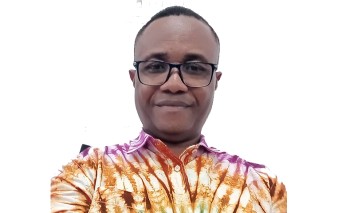
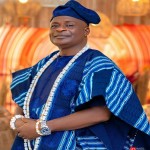
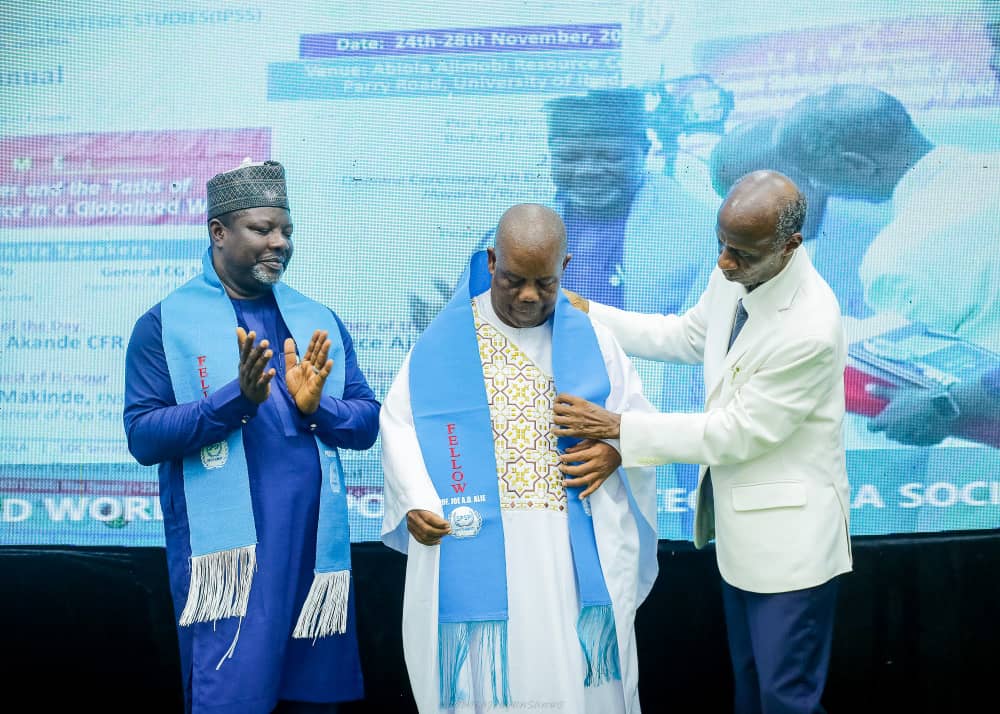
Professor Joe A. D. Alie, COR, fspsp, is a renowned historian, peace scholar, and educationist. He is the Chairman, Board of Governors, SPSP–Sierra Leone, a Fellow of SPSP, and a recipient of Sierra Leone’s national honour, Commander of the Order of the Rokel (COR). He played a key role in the 1999 Lomé Peace Talks and has been instrumental in advancing peace and conflict studies in Sierra Leone and the wider West African sub-region.
📥 The full publication is available for download in PDF format and is recommended reading for scholars, practitioners, policymakers, students, and all those interested in peacebuilding, conflict history, and transitional justice.